The short answer
The will decides first, and a will can point to a separate list of who gets which belongings. Where the will says nothing about the things, the executor shares them out.
In Minnesota, for example, that is done in kind where possible, so each person gets actual pieces. The executor there can send everyone a written proposal of who gets what. Anyone who objects then has a set time to say so in writing.
This chapter explains how things usually work in the United States. It is not legal, tax or financial advice, and the rules where you live may differ. Before you act on anything here, check it with one of the people named at the end of the chapter.
In the full chapter
The chapter explains what exists and what to ask, then ends with what to do, what can wait so you can set it aside, and who can answer the questions that are yours alone.
The rules, phone numbers and web addresses in this book were checked against the agencies’, courts’ and organizations’ own pages in October 2026. Where a rule differs by state, the book names one state as an example. Check anything you rely on with the office itself.
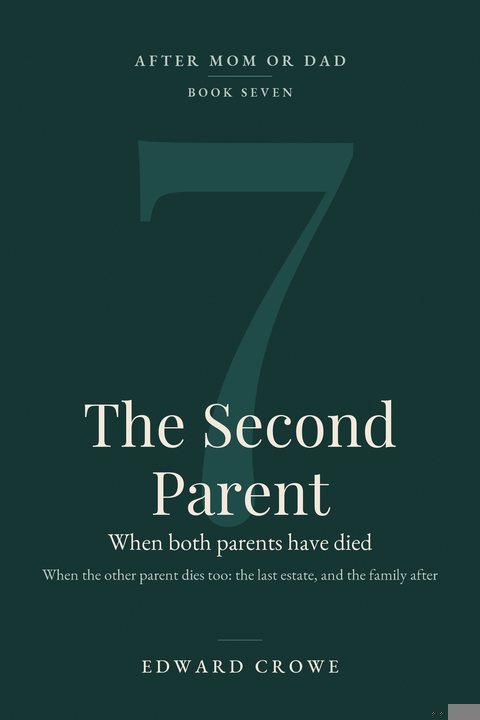
From Book 7: The Second Parent
This page has the short answer from chapter 6. The full chapter explains, in plain words, what exists, what to ask, and who can answer. The book covers after the second death after the death.
Questions near this one
Other questions on related subjects, from this book and the others.
- How do we divide belongings without a war? Book 5, Siblings and the Estate
- How do I stay in my family afterward? Book 5, Siblings and the Estate
- When can I hand out the inheritance? Book 2, Being in Charge
- Why are we fighting when we always got along? Book 5, Siblings and the Estate
Hear when The Second Parent is out
A short note when each book is out. Five or six emails a year at most. You can unsubscribe whenever you like.