The short answer
In Minnesota and Arizona, for example, creditors come first. Once the claim period ends, the executor pays allowed claims, including taxes, in order. Money for family allowances, pending claims and costs is set aside first.
Paying heirs before then can make you personally liable. Your state sets its own rules, and a probate lawyer or your court can tell you what they are.
When you do hand things over, get a signed receipt for each one, give everyone a written account, and close the estate formally.
This chapter explains how things usually work in the United States. It is not legal, tax or financial advice, and the rules where you live may differ. Before you act on anything here, check it with one of the people named at the end of the chapter.
What to do
- Confirm with the court or your lawyer that the claim period has ended.
- List every debt, cost and tax, and mark each one paid or set aside.
- Prepare the account of money in and out from The estate record.
- Send the account to every beneficiary before you pay any share.
- Pay each share by check or transfer, and get a signed receipt.
- File the closing papers your court requires.
What can wait
- The final small amounts, until the last tax bill is settled.
- Closing the estate account, until the last check has cleared.
- Any paper that asks for more than a receipt, until a lawyer has read it.
Who can help
Your lawyer, if you have one, can tell you when your state allows shares to be paid and which closing papers it needs. An accountant can tell you what to hold back for taxes.
The probate court clerk can tell you which closing forms the court uses. If paying a lawyer is hard, Do I need a lawyer? lists free and low-cost legal help.
The rules, phone numbers and web addresses in this book were checked against the agencies’, courts’ and organizations’ own pages in October 2026. Where a rule differs by state, the book names one state as an example. Check anything you rely on with the office itself.
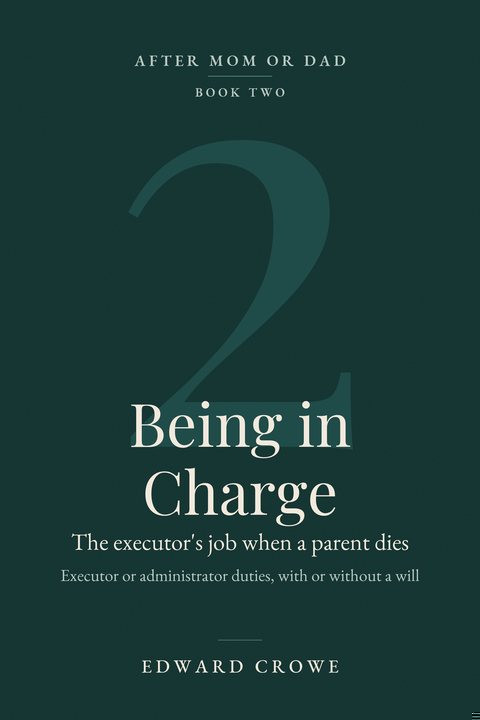
From Book 2: Being in Charge
This page has the short answer and the closing lists from chapter 12. The full chapter explains, in plain words, what exists, what to ask, and who can answer. The book covers months 1 to 9 after the death.
Questions near this one
Other questions on related subjects, from this book and the others.
- One of us is in charge: what do the others have a right to know? Book 5, Siblings and the Estate
- How do I protect myself personally? Book 2, Being in Charge
- How long will this take? Book 2, Being in Charge
- How do I pay for the funeral? Book 1, The First Month
Hear when Being in Charge is out
A short note when each book is out. Five or six emails a year at most. You can unsubscribe whenever you like.